In today’s digital-first world, businesses are rapidly shifting from traditional systems to smart, scalable, and cloud-based solutions. Web applications have become the backbone of modern businesses, enabling automation, better customer engagement, and seamless operations. Whether you are a startup, small business, or enterprise, investing in professional Web Application Development in Dehradun can give you a strong competitive edge.
This complete business guide explains what web application development is, why it matters, current trends, benefits, and how choosing the right development partner in Dehradun can help your business grow sustainably.
Introduction – Why Web Application Development Matters for Businesses
Web applications allow businesses to operate efficiently by centralizing data, improving workflows, and offering users easy access through browsers without installing software. From e-commerce platforms and CRM systems to booking portals and dashboards, web applications power almost every digital interaction today.
With increasing digital adoption, the demand for Custom web application development Dehradun has grown significantly. Businesses prefer local development partners who understand regional markets, offer cost-effective solutions, and provide reliable long-term support.
What Is Web Application Development?
Definition of Web Application Development

Web application development is the process of designing, building, and maintaining applications that run on web browsers. Unlike static websites, web applications are interactive, dynamic, and connected to databases.
Examples include online portals, SaaS platforms, admin dashboards, learning management systems, and e-commerce websites.
How Web Applications Work
Web applications operate on a client-server model, where the client (usually a web browser) sends requests to the server. The server processes these requests, performs the necessary logic, accesses databases, and sends back the appropriate response to the user.
Modern web applications often use APIs (Application Programming Interfaces) to communicate between the frontend and backend efficiently. This allows real-time data updates, interactive features, and smooth user experiences.
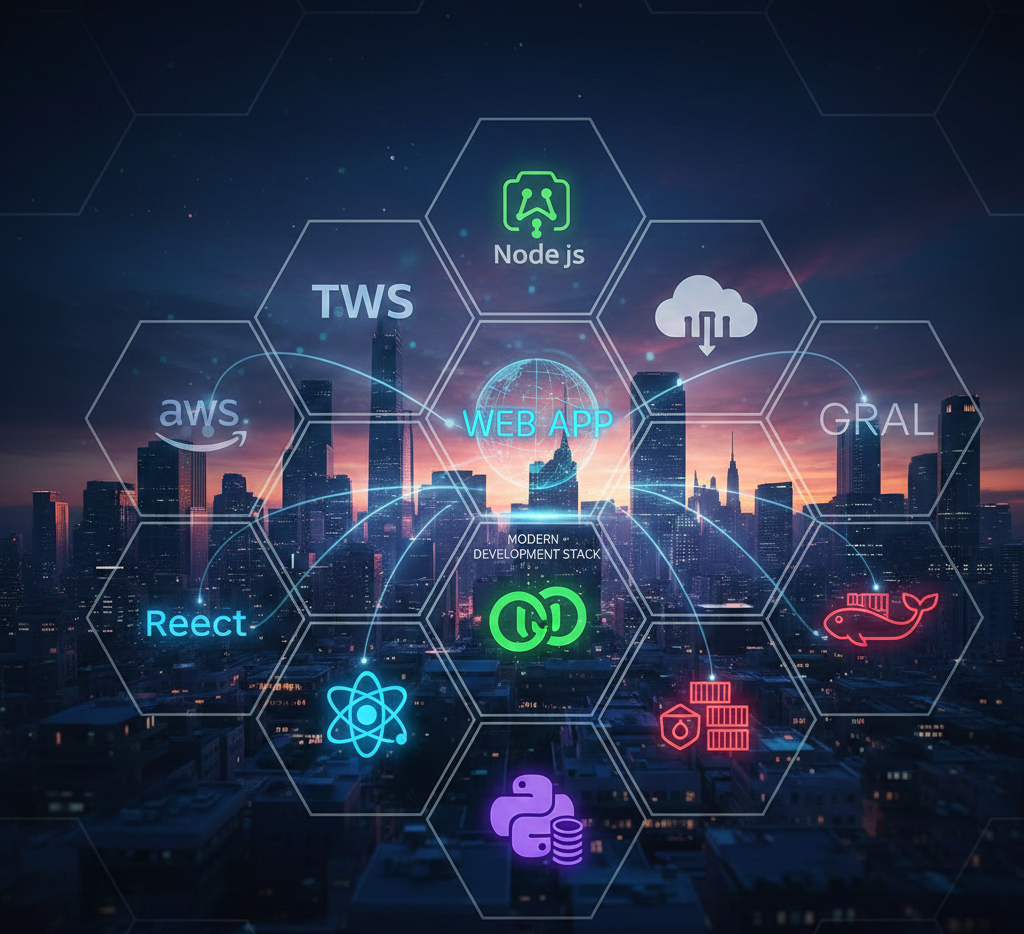
Front-end technologies like HTML, CSS, and JavaScript create the user interface, while backend technologies such as Node.js, PHP, Python, or Java manage server-side operations. Databases, whether SQL or NoSQL, store user information, content, and other dynamic data securely.
Security is a crucial aspect, with HTTPS, authentication, and encryption protocols ensuring safe data transfer between the client and server. Additionally, web applications may use caching, load balancing, and cloud hosting to handle high traffic efficiently and maintain performance.
Frontend Development
Frontend development is responsible for everything that users see and interact with on a web application. It ensures that websites and web apps are visually appealing, responsive, and easy to navigate across all devices, including desktops, tablets, and smartphones.
Modern frontend development relies on HTML for structure, CSS for styling, and JavaScript for interactive elements. Frameworks like React, Angular, and Vue.js enable developers to build dynamic, component-based applications that load quickly and provide smooth user experiences.
Frontend developers also focus on accessibility, performance optimization, and cross-browser compatibility, ensuring that all users have a consistent experience regardless of their device or browser. Techniques like lazy loading, responsive grids, and progressive web apps (PWAs) further enhance usability.
Additionally, integration with backend APIs allows the frontend to display real-time data, handle user inputs, and support features like forms, authentication, dashboards, and notifications. A well-built frontend not only improves user satisfaction but also contributes to higher conversion rates and engagement.
In essence, frontend development bridges design and functionality, turning visual mockups into fully interactive digital experiences that delight users.
Backend manages business logic, data
Backend Development
Backend development powers the core functionality of web applications, managing data storage, authentication, and server-side processing, ensuring that all user interactions are processed securely and efficiently. It handles database operations, application logic, and server communication to deliver dynamic content to users in real time. Common backend technologies used in Web Application Development in Dehradun include Node.js, Python, PHP, Java, and .NET, enabling developers to build scalable and reliable applications. Examples of backend-driven functionality include login systems, secure payment gateways, admin dashboards, and reporting modules, which are essential for business operations. A strong backend ensures smooth integration with the frontend interface, maintains data consistency, and enforces security protocols such as encryption and access control. In 2026, backend systems also incorporate AI-driven automation and cloud hosting to improve performance, reliability, and scalability for businesses of all sizes.
Technologies Used in Backend
Node.js, Python, PHP, Java, and .NET are widely used backend technologies in Web Application Development in Dehradun.
Examples
Login systems, payment gateways, admin panels, and reporting dashboards.
Types of Web Applications for Businesses
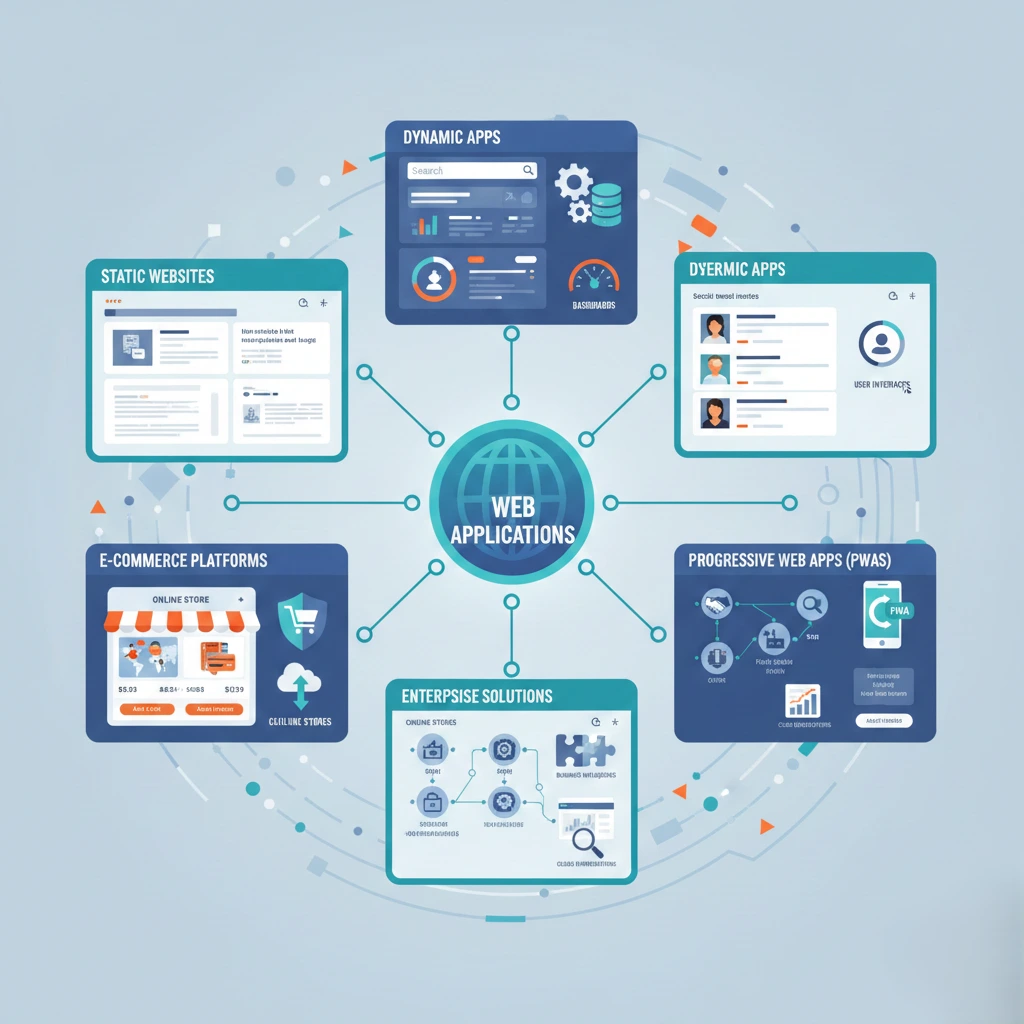
Businesses today require tailored web applications based on their operational goals and user needs, ranging from simple informational platforms to complex enterprise solutions. Static web applications provide fixed content suitable for basic information dissemination but lack interactivity. Dynamic web applications are highly interactive, updating content in real time based on user inputs and database responses, such as dashboards or user portals. E-commerce web applications offer integrated product catalogs, payment gateways, and order management systems, enabling online stores to operate efficiently and provide seamless shopping experiences. Enterprise web applications support internal business operations, including ERP, CRM, and HR systems, helping organizations manage resources, track performance, and collaborate effectively. Progressive Web Applications (PWAs) provide app-like experiences on browsers, offering offline functionality, push notifications, and fast performance. Companies providing Web Application Development in Dehradun specialize in building scalable, secure, and efficient solutions for these diverse business needs.
Static Web Applications
Static web applications are the simplest type of web applications, consisting of fixed content that does not change based on user interactions or backend processes. They are primarily built using HTML, CSS, and minimal JavaScript, making them lightweight, fast-loading, and easy to host. These applications are ideal for businesses that want to display basic information, such as company profiles, service descriptions, portfolios, or contact details, without requiring frequent updates or dynamic features. Static web applications are highly secure since they have minimal server-side interactions, reducing the risk of vulnerabilities or data breaches. Their straightforward structure allows for quick deployment and low maintenance costs, making them cost-effective for small businesses or startups. Despite their simplicity, static applications can still include visually appealing layouts, responsive design, and interactive elements like simple animations or navigation menus to enhance user experience. In 2026, static web applications remain relevant for businesses seeking a fast, reliable, and SEO-friendly online presence without the complexity of dynamic features.
Dynamic Web Applications
Dynamic web applications are interactive platforms that generate content in real-time based on user inputs, preferences, and backend data, providing a personalized experience for every visitor. Unlike static applications, dynamic apps rely heavily on server-side processing, databases, and APIs to fetch and display relevant information, making them suitable for blogs, dashboards, social media platforms, and portals. They allow businesses to engage users effectively by responding to their actions, such as form submissions, searches, filters, and content recommendations. Technologies like PHP, Node.js, Python, and Java, combined with databases such as MySQL or MongoDB, enable developers to create robust and scalable dynamic applications. Dynamic web applications also support secure user authentication, personalized dashboards, and advanced reporting, which are essential for modern businesses looking to interact with their customers online. They enhance user engagement, retention, and conversion rates by providing relevant, timely, and interactive content. In 2026, dynamic web applications are crucial for businesses that want to deliver a flexible, responsive, and highly interactive digital experience across all devices and platforms.
E-Commerce Web Applications
E-Commerce web applications are sophisticated platforms designed to facilitate online buying and selling, providing users with seamless shopping experiences across products and services. These applications integrate essential features like product catalogs, shopping carts, secure payment gateways, order management systems, and customer accounts, ensuring both convenience and reliability for users. Technologies such as Magento, Shopify, WooCommerce, React, Node.js, and Python are widely used to develop scalable and responsive e-commerce applications that handle high traffic and large product inventories efficiently. E-commerce apps also leverage personalization, recommendations, and targeted promotions to improve customer engagement and increase sales conversions. Security is paramount, with SSL certificates, encryption, and compliance with payment standards like PCI DSS protecting sensitive customer data during transactions. Additional features like inventory tracking, analytics dashboards, and marketing automation help businesses manage operations effectively while optimizing performance. In 2026, E-Commerce web applications are indispensable for businesses looking to expand their digital footprint, boost sales, and provide a modern, secure, and user-friendly shopping experience to customers worldwide.
Enterprise Web Applications

Enterprise web applications are large-scale, complex systems designed to support internal business operations, collaboration, and resource management for organizations of all sizes. These applications often include ERP (Enterprise Resource Planning), CRM (Customer Relationship Management), HR management systems, supply chain management, and project management tools, enabling companies to streamline processes and enhance operational efficiency. Built using robust technologies such as Java, .NET, Python, and Node.js, enterprise applications are highly scalable, secure, and capable of handling large volumes of data and concurrent users. They are designed to integrate seamlessly with existing software systems, third-party tools, and APIs, ensuring smooth workflows across departments. Security and compliance are critical, with features like role-based access control, data encryption, audit logs, and regulatory adherence safeguarding sensitive business information. Enterprise applications also provide analytics, reporting, and dashboards that help decision-makers monitor performance, optimize resources, and identify growth opportunities. In 2026, these applications are essential for organizations seeking to improve productivity, automate complex operations, and maintain a competitive edge in an increasingly digital business environment.
Progressive Web Applications (PWA)
Many companies offering Web Application Development in Dehradun specialize in building these scalable solutions.Progressive Web Applications (PWAs) are modern web solutions that combine the best features of websites and native mobile apps, providing users with app-like experiences directly in their browsers. PWAs are designed to be responsive, fast, and reliable, enabling smooth operation even on low-quality networks or during offline access, which is crucial for improving user engagement and retention. They utilize technologies like Service Workers, Web App Manifests, and Push Notifications to enable offline functionality, background sync, and instant updates without requiring app store downloads. PWAs also support cross-platform compatibility, meaning the same application can work seamlessly on desktops, tablets, and smartphones, reducing development and maintenance costs. Businesses leveraging PWAs benefit from faster load times, improved SEO, higher conversion rates, and enhanced user experiences, making them ideal for e-commerce, news portals, and service-based applications. Security is also emphasized, with HTTPS ensuring encrypted communication and protecting sensitive user data. In 2026, PWAs are increasingly adopted by companies providing Web Application Development in Dehradun to deliver high-performance, scalable, and future-ready applications that cater to the evolving needs of modern users.
Key Features of a Successful Web Application
User-Friendly Interface
A successful web application is characterized by a user-friendly interface, enabling users to navigate intuitively and complete tasks efficiently without confusion. High performance and speed are critical, as fast-loading applications reduce bounce rates, improve engagement, and increase conversions. Security and data protection are essential, with features like multi-factor authentication, role-based access, encrypted databases, and SSL certificates safeguarding sensitive user and business information. Compliance with international and local data protection regulations ensures that applications operate safely across regions. Web applications must also focus on responsive design, adapting seamlessly to different devices, and accessibility standards, ensuring usability for all users, including those with disabilities. Continuous monitoring of user experience, analytics, and performance metrics allows businesses to iterate and optimize applications for maximum impact. Overall, successful applications balance functionality, security, and user experience to achieve business objectives efficiently.
High Performance & Speed
Fast-loading applications reduce bounce rates and increase conversions.
Security & Data Protection
Security is critical for protecting user data and business information.
Secure Authentication Systems
Multi-factor authentication, role-based access, and secure logins.
Data Encryption & Compliance
SSL certificates, encrypted databases, and compliance with data protection standards.
Web Application Development Process
A structured web application development process ensures quality, scalability, and alignment with business goals, starting with requirement analysis and planning, which identifies target users, features, and desired outcomes. The UI/UX design phase focuses on creating wireframes and interactive prototypes to visualize the application’s layout, navigation, and user flow. During the development phase, frontend and backend components are coded, ensuring seamless integration and functionality. Testing and quality assurance involve rigorous bug fixing, performance optimization, security validation, and cross-device compatibility checks. The deployment phase launches the application to production, followed by ongoing maintenance and updates to address emerging issues, improve features, and adapt to evolving business needs. Professional Web Application Development companies in Dehradun strictly follow this lifecycle to deliver reliable, scalable, and future-ready solutions that meet user expectations and business objectives.
Requirement Analysis & Planning
Understanding business goals, target users, and features.
UI/UX Design
Creating wireframes and designs focused on usability.
Wireframing & Prototyping
Visual layouts that define structure and flow.
Development Phase
Actual coding of frontend and backend components.
Frontend & Backend Integration
Ensuring seamless communication between user interface and server logic.
Testing & Quality Assurance
Bug fixing, performance testing, and security checks.
Deployment & Maintenance
Launching the application and providing updates and support.
Professional teams specializing in Web Application Development in Dehradun follow this lifecycle to deliver reliable products.
Latest Web Application Development Trends in 2026
Web application development continues to evolve with new technologies, shaping how businesses create, deploy, and maintain applications. AI-powered web applications enhance personalization, predictive analytics, and automated support such as chatbots, improving user engagement and operational efficiency. Cloud-based development allows for scalable, secure, and cost-effective deployment, enabling businesses to handle high traffic and large datasets effortlessly. API-first architecture facilitates seamless integration with third-party services, mobile applications, and other platforms, creating a connected digital ecosystem. Low-code and no-code platforms accelerate development for simpler applications, allowing businesses to reduce time-to-market and costs without compromising quality. Companies specializing in Web Application Development in Dehradun actively adopt these trends to build innovative, future-ready applications that help businesses stay competitive in a digital-first marketplace.
AI-Powered Web Applications
AI enables chatbots, personalization, and predictive analytics.
Cloud-Based Development
Cloud platforms offer scalability, security, and cost efficiency.
API-First Architecture
APIs allow integration with third-party services and mobile apps.
Low-Code & No-Code Platforms
Faster development for simple applications with reduced costs.
These trends are actively adopted by companies providing Web Application Development in Dehradun.
Why Choose Web Application Development in Dehradun
Cost-Effective Development Solutions
Dehradun offers cost-effective development solutions, delivering high-quality applications at competitive prices compared to larger metro cities. The city has a growing pool of skilled and experienced developers, well-versed in modern technologies and frameworks. Its strong IT ecosystem, supported by educational institutes and tech hubs, fosters innovation and quality software development. Local companies also provide flexible engagement models, accommodating startups, SMEs, and large enterprises with tailored solutions. Partnering with a Web Application Development company in Dehradun ensures better communication, faster project delivery, and long-term technical support, providing businesses with reliability, accountability, and access to expert teams that understand both technology and regional market needs.
Skilled & Experienced Developers
The city has a growing pool of trained IT professionals.
Strong IT Ecosystem in Dehradun
With educational institutes and tech hubs, Dehradun supports innovation.
Support for Startups & Enterprises
Flexible engagement models for startups, SMEs, and large businesses.
Benefits of Hiring a Local Web Application Development Company in Dehradun
Better Communication & Support
Easy coordination and real-time discussions.
Local Market Understanding
Developers understand regional user behavior and business needs.
Faster Project Delivery
Quick turnaround due to time zone and proximity advantages.
Long-Term Technical Support
Ongoing maintenance, upgrades, and troubleshooting.
Hiring experts in Web Application Development in Dehradun ensures reliability and accountability.
How to Choose the Right Web Application Development Partner
Check Portfolio & Case Studies
Choosing the right development partner involves reviewing portfolio and case studies to understand their experience, industry expertise, and project success rates. Evaluate their technology expertise to ensure familiarity with modern frameworks, backend languages, and frontend tools. Assess their focus on security, scalability, and compliance, ensuring the applications can handle growth securely. Confirm their post-launch support for ongoing maintenance, updates, and troubleshooting. Communication, transparency, and a clear development roadmap are essential factors to guarantee project success and a long-term partnership. The right partner ensures applications meet business objectives, provide excellent user experience, and remain adaptable to future technological changes.
Technology Expertise
Ensure experience with modern frameworks and tools.
Security & Scalability Focus
Applications should handle growth securely.
Post-Launch Support
Maintenance and upgrades are essential for long-term success.
Cost of Web Application Development in Dehradun
Factors Affecting Development Cost
Features & Complexity
Development costs vary depending on features, complexity, and customization requirements, with more advanced applications requiring longer development times and higher investment. The technology stack also influences costs, as specialized frameworks or AI integration may require expert developers. Maintenance, updates, and technical support add to overall project expenditure, ensuring that the application continues to perform optimally over time. Despite these factors, Web Application Development in Dehradun remains affordable compared to metro cities, providing businesses with high-quality solutions at reasonable prices without compromising on performance, security, or scalability.
Technology Stack
Advanced technologies may require specialized expertise.
Maintenance & Support
Ongoing services add to overall investment.
Despite these factors, Web Application Development in Dehradun remains affordable compared to other major cities.
Conclusion – Grow Your Business with Web Application Development in Dehradun
Final Thoughts
Web application development is no longer optional—it is essential for business growth. In 2026, successful businesses rely on secure, scalable, and user-focused web applications to stay competitive.
By choosing professional Web application development services in Dehradun, businesses can leverage modern technologies, reduce costs, and build future-ready digital solutions. Partnering with the right development team ensures long-term success, operational efficiency, and sustainable growth in an increasingly digital marketplace.In 2026, web applications are no longer optional—they are essential for business growth, competitiveness, and operational efficiency. Secure, scalable, and user-focused applications allow businesses to deliver superior experiences, automate processes, and increase engagement. Choosing professional Web Application Development in Dehradun enables businesses to leverage modern technologies, reduce costs, and build future-ready solutions. Partnering with experienced developers ensures long-term support, operational reliability, and measurable ROI, helping companies thrive in an increasingly digital marketplace and achieve sustainable growth over time.